Post-Harvest Maintenance for a Thriving Vineyard
As harvest wraps up, preparation for the dormant season begins almost immediately. Strong post-harvest vineyard practices are essential to protecting vine health, preventing winter damage, and setting the stage for a productive growing season ahead.
Vineyards that enter dormancy without proper care risk reduced yields—or even vine loss—especially in colder climates. Establishing a consistent post-harvest routine helps ensure your vines survive the winter and emerge healthy in spring.
Post-Harvest Vineyard Management
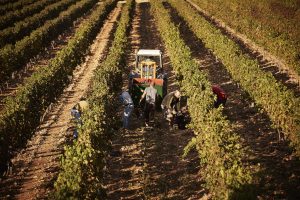
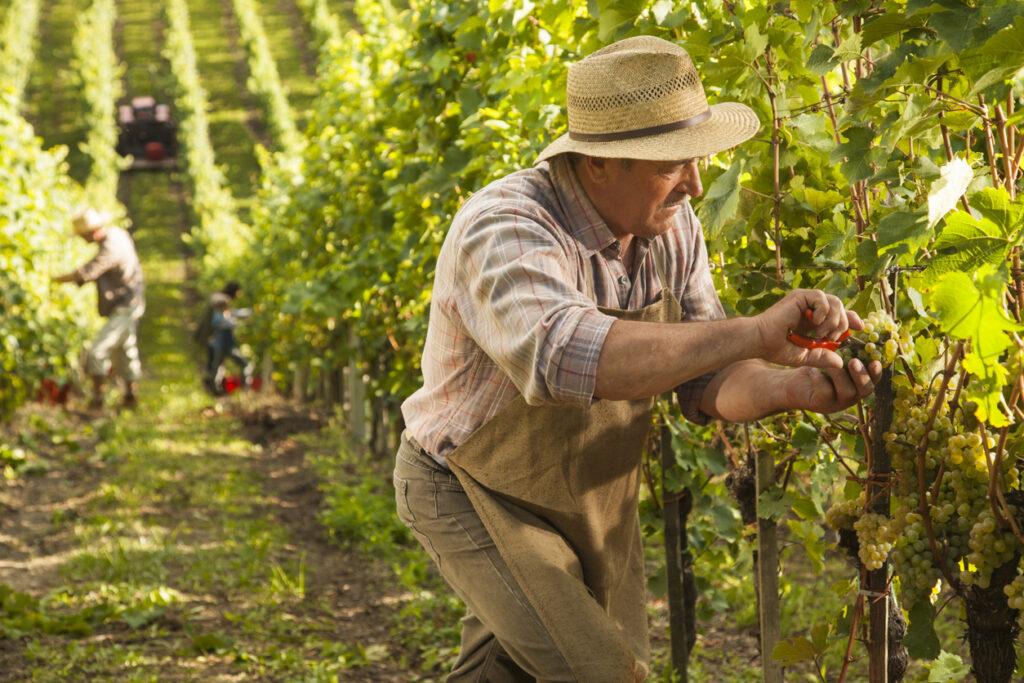
Once fruit has been picked, grapevines shift their focus from production to recovery and storage. During this period, vines replenish nutrients, strengthen woody tissue, and prepare for dormancy.
Post-harvest vineyard management is critical for:
Preserving vine health through winter
Protecting against cold injury and disease
Supporting strong bud development for spring
Taking the right steps now directly impacts next year’s yield and fruit quality.
Fertilization After Harvest
After harvest, grapevines are depleted of nutrients and actively rebuilding internal reserves. These stored carbohydrates and minerals fuel spring growth and increase cold hardiness during winter dormancy.
Nutrient Timing and Selection
Depending on soil conditions, vineyards may require:
Potassium
Nitrogen
Phosphorus
Fertilization must occur while vines still have green leaves and are metabolically active. In cooler climates, this may mean fertilizing before harvest. Warmer regions often fertilize post-harvest, especially when irrigation is available.
Applying potassium (K₂O) instead of nitrogen can help improve cold tolerance and reduce winter injury risk.
Groundwork and Vineyard Floor Care
Post-harvest is an ideal time to address vineyard floor maintenance before winter weather arrives. Proper groundwork protects vines from pests, disease, and environmental stress.
Key tasks include:
Clearing debris beneath vines to reduce black rot risk
Mounding soil over the graft union to insulate against cold and prevent crown gall
Removing weeds that compete for nutrients and harbor pests
These steps help create a clean, protected environment during dormancy.
Dormant Pruning
Late winter to early spring—while vines remain dormant—is the ideal time for pruning. Dormant pruning balances vine growth, prevents overexertion, and supports optimal fruit production.
Pruning for Balance and Yield
Overgrown vines produce excessive clusters with reduced fruit quality. Over-pruning can lead to fewer but oversized clusters. The goal is balance.
Best practices include:
Leaving approximately 5 spurs per cordon
Maintaining 10 spurs per vine
Cutting canes back to one cane per spur
Leaving two buds per cane, each capable of producing two clusters
This approach promotes uniform growth and consistent yields.
Tools for Efficient Pruning
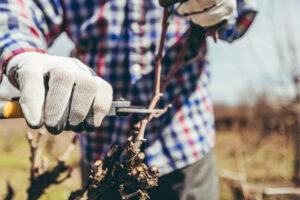
Dormant pruning is labor-intensive and requires the right equipment to be done efficiently and safely. Essential tools include:
High-quality pruning shears
Loppers
Tying reels and twist ties
Protective gloves
Having supplies ready before pruning season ensures work stays on schedule.
Erosion Control After Harvest
Winter rains can cause significant soil erosion if runoff is not properly managed. Preventing erosion protects vineyard soil, nearby waterways, and long-term vine productivity.
Effective erosion control strategies include:
Diverting excess water with drainage ditches
Slowing runoff using sod, basins, or buffer strips
Applying ground covers to soften rainfall impact
Straw Wattles for Erosion Prevention
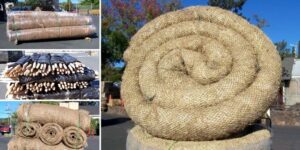
Straw wattles are one of the most effective post-harvest erosion control tools. Made from certified weed-free rice straw and biodegradable burlap, wattles:
Slow water movement
Trap sediment
Improve filtration
Are easily staked and installed
They are especially effective around slopes, inlets, and vineyard perimeters.
How A&J Vineyard Supply Can Help You
One of the most important steps in preparing for a successful growing season is proper post-harvest care—especially pruning and erosion control. Having the right vineyard supplies on hand ensures these tasks are done efficiently and correctly.
At A&J Vineyard Supply, we carry the tools, materials, and expertise needed to support your vineyard through dormancy and beyond.
Contact us today to order your post-harvest and pruning supplies and ensure your vineyard is ready for winter—and for spring growth ahead.