The Importance of Mustard in Vineyards Before Bud Break
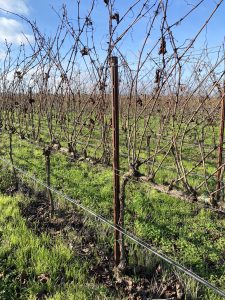
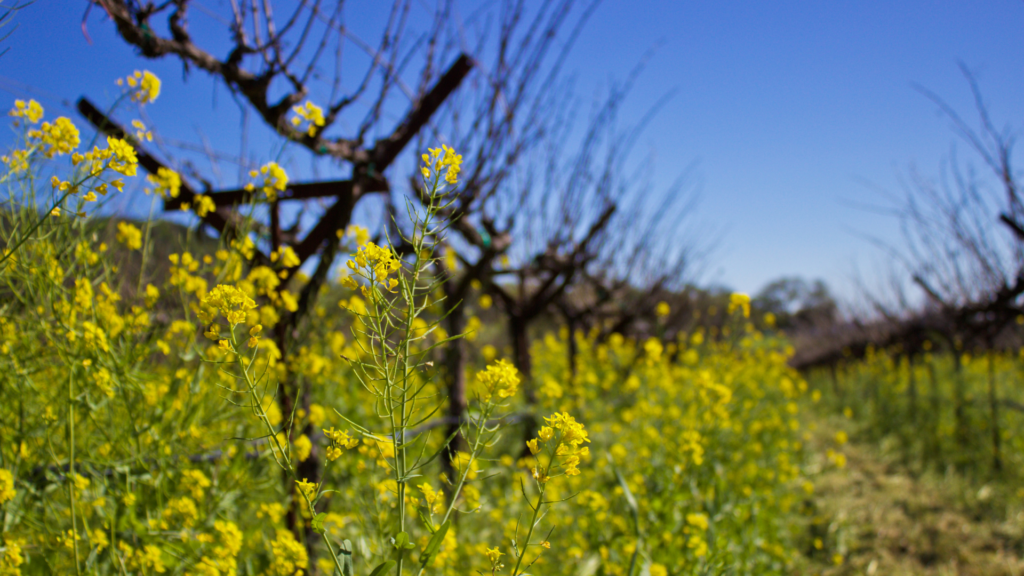
Mustard is more than a visual hallmark of winter and early spring vineyards—it plays a functional role in vine health, soil management, and sustainable viticulture. Whether naturally occurring or intentionally planted, mustard thrives through winter and is typically incorporated into the soil just before bud break, delivering valuable nutrients and soil benefits at a critical time in the vine’s annual cycle.
The Role of Mustard in the Vineyard
Mustard is commonly used as a cover crop, offering multiple agronomic advantages beyond aesthetics.
Key benefits of mustard in vineyards include:
Mustard seeds can remain dormant in soil for decades and germinate after sufficient rainfall
The plant produces biofumigants, natural compounds that help suppress harmful nematode populations
Mustard recycles and redistributes nitrogen, making it more accessible to grapevines
Certain cultivars are bred to contain high levels of glucosinolates, increasing nematode suppression
Glucosinolates create a strong odor and flavor that nematodes find uninhabitable
Using mustard as a natural pest management tool reduces reliance on chemical pesticides
These properties make mustard an effective, environmentally responsible tool for vineyard floor management.
Benefits of Cover Crops in Vineyards
Cover crops—including mustard—are a cornerstone of sustainable vineyard systems. They contribute directly to soil health, vine performance, and ecosystem balance while reducing long-term operational strain.
Benefits of cover crops include:
Supporting balanced vine growth
Improving soil structure and compaction resistance
Enhancing mineral availability and fertility
Protecting against erosion and runoff
Providing habitat for beneficial insects and predators
Reducing nematode populations
Increasing soil biological activity and organic matter
Suppressing weed germination and growth
By minimizing repeated passes of heavy machinery and reducing chemical inputs, cover crops help preserve vineyard longevity.
What Happens During Bud Break?
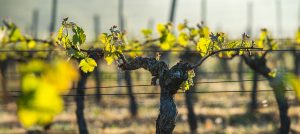
Bud break marks the official start of the growing season. After months of dormancy, grapevines awaken as temperatures rise and daylight increases.
Stored carbohydrates in the roots and trunk fuel the emergence of the vine’s first leaves. These early leaves are small and sparse, but their purpose is essential: initiating photosynthesis and generating new energy so the vine no longer relies solely on winter reserves.
Bud break timing varies by climate, grape variety, and site conditions, but it represents a pivotal transition from dormancy to active growth.
Common Vineyard Practices Around Bud Break
Successful vineyards rely on coordinated tasks during the bud break window to protect vines and establish healthy growth patterns.
Pruning Strategies
Annual pruning is required because only one-year-old wood produces fruit-bearing buds. In frost-prone regions, growers may use double pruning techniques to delay bud break and reduce frost damage risk.
This involves:
Leaving canes longer through winter
Returning after bud break to finalize bud counts
Timing pruning carefully can significantly influence vine resilience and yield potential.
Disease and Pest Monitoring
During bud break:
First fungicide applications are typically made
Growers monitor for early insect pressure such as flea beetles and phylloxera
Disease prevention focuses on protecting tender new growth
Shoot Thinning Preparation
Shoot thinning usually follows shortly after bud break. Monitoring shoot growth early allows growers to plan labor and equipment needs.
Electric pruners, loppers, and hand tools are commonly used once shoots reach manageable lengths.
Weed Control Timing
How A&J Vineyard Supply Can Help
Whether mustard is in full bloom or shoots are just beginning to push, A&J Vineyard Supply is here to support every phase of vineyard management.
With a fully stocked Napa Valley facility and trusted partner mills worldwide, we provide the materials and expertise needed for trellis development, vineyard maintenance, and seasonal preparation.
Contact us today to place an order or ask questions—we’re here to help keep your vineyard on track.