Grape Harvest Preparation: Timing, Tools & Vineyard Best Practices
Grape harvest preparation means knowing when your fruit will ripen, having a plan to test it, and stocking tools, netting and lighting before picking starts. In Napa Valley, harvest runs two to three months, usually August through October, so crews should start ordering supplies in July and have night-picking gear ready.
Proper preparation protects fruit quality, keeps fruit consistent at the winery and cuts costly delays. Below, we cover the stages of harvest, how ripeness is measured, why night picking is common and the tools your crew needs.

The Stages of Grape Harvest in Napa Valley
How Long Does Grape Harvest Last?
Wine grape harvest in Napa Valley lasts two to three months, depending on the vintage. Weather before harvest sets the pace: heatwaves, warm nights and sudden temperature swings can speed up or slow down ripening.
Conditions also vary from block to block, so the best growers get equipment, supplies and crews ready well before fruit reaches optimal maturity.
When Are Grapes Harvested?
Harvest timing depends on the grape varietal and the style of wine. Sparkling wine grapes come off first, then whites, then reds, with late harvest fruit last.
| Wine Style | Typical Picking Order | Why |
|---|---|---|
| Sparkling wine grapes | First, often beginning in August | Preserves acidity and keeps sugar levels lower |
| White varietals | Shortly after sparkling | Generally ripen earlier than reds |
| Red wine grapes | After whites | Extra time on the vine builds tannin, color concentration and flavor complexity |
| Late harvest and dessert | Last, sometimes well into late fall | Sugars concentrate the longer fruit hangs |
Weather is unpredictable, so being organized before harvest starts matters more than any single date.
How Do You Know When Grapes Are Ready to Pick?
Growers judge ripeness by the balance of sugar, acidity and tannins. Many winemakers measure sugar with a refractometer, which reads Brix, the percentage of sugar by weight in grape juice.
Here’s how a refractometer reading works:
- Collect berry samples from multiple locations within the vineyard block.
- Crush the samples together.
- Place the juice on the refractometer plate.
- Read the Brix value, which comes from how light bends through the juice.
Taste and experience still matter. The refractometer adds fast, consistent data to back up the decision.
Why Pick Grapes at Night?
Wineries favor night harvest because cool nighttime and early-morning temperatures keep sugar levels stable and protect delicate aromas and flavors. Many wineries now require growers to pick exclusively at night.
- Fruit quality: Cooler fruit gives the winery more control over fermentation and cuts the need for extra cooling at the crush pad.
- Crew conditions: Night work avoids the extreme daytime heat common in August and September.
- Winery logistics: Spreading picking across more hours reduces congestion at the winery and keeps harvested grapes from sitting in the heat while they wait for processing.
Safe night picking takes good lighting. High-powered headlamps and spare batteries are a harvest-week essential.
What Tools Do You need for Grape Harvest?
Most harvest crews need bird netting, shade cloth, picking knives or shears, sharpening stones, bins or lugs and headlamps. Harvest supplies are typically available beginning in July, and early purchasing helps avoid last-minute shortages during peak demand.
| Tool | What It Does | Options |
|---|---|---|
| Bird netting | Protects clusters from birds and other predators as fruit matures | Side netting (42″ x 5,000′); over-the-row netting (14′ x 5,000′ or 17′ x 2,500′); bread clips for secure installation |
| Shade cloth | Adds protection from sunburn and promotes even ripening | 30% and 40% shade; multiple colors and roll sizes |
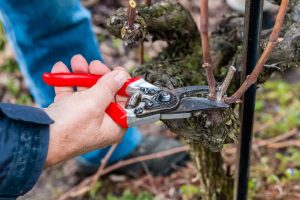
| Thinning shears and grape knives | Make clean, efficient cluster cuts | Curved or straight blade shears; serrated or non-serrated knives |
| Sharpening stones | Keep cutting tools sharp to reduce fatigue and improve efficiency | Felco 906 sharpening blade with handle; large or small sharpening stones |
| Harvest bins and lugs | Collect grapes during manual picking | Ergonomic and traditional styles |
| Lamps and batteries | Light the rows for safe, efficient night harvest | High-powered headlamps with spare batteries |
For a deeper look at each item, read our grape harvest tools guide. To plan sun protection, see shade cloth in vineyards. For bird netting and other seasonal items, see our bird control options.
When Should You Order Harvest Supplies?
Order harvest supplies in July, when they become available, instead of waiting for picking to start. Early orders give you the best chance of getting what you need before harvest begins.
We plan ahead each year and stock harvest supplies based on what we expect growers to need. But if a large order clears out an item, or you need a special-order product, lead time comes into play and delivery may land later than your crew needs it. Freight lanes, vendor lead times and peak-season demand all affect timing, and we won’t promise a date we can’t keep.
For canopy work before picking, see vine and canopy management strategies. Once the fruit is in, our guide to post-harvest vineyard maintenance covers what comes next.
How A&J Vineyard Supply Can Help
At A&J Vineyard Supply, we work closely with growers to make sure the right materials arrive on time. Whether you’re prepping for night harvest, bird control or final canopy adjustments, our team helps you get harvest-ready.
Give us a call at 707-963-5354, or request a custom quote — we’ll get you sorted.
Frequently Asked Questions
How long does grape harvest last in Napa Valley?
Wine grape harvest in Napa Valley usually lasts two to three months, running from August into October. The exact length depends on the vintage. Heatwaves, warm nights and sudden temperature swings can speed up or slow down ripening, and timing also varies from block to block.
Which grapes are harvested first?
Sparkling wine grapes are usually picked first, often starting in August, to keep acidity high and sugar levels lower. White varietals follow shortly after, then red grapes, which hang longer to build tannin and color. Late harvest and dessert grapes come last, sometimes well into late fall.
What is Brix and how do you measure it?
Brix measures the percentage of sugar by weight in grape juice. Crews collect samples from several spots in a vineyard block, crush them together and place the juice on a refractometer plate. The way light bends through the juice gives the Brix reading, which helps decide when to pick.
Why do wineries want grapes picked at night?
Cool night and early-morning temperatures help keep sugar levels stable and protect aromas and flavors. Fruit arrives at the crush pad cooler, which cuts the need for extra cooling. Night picking also gets crews out of the heat and spreads deliveries across more hours, easing congestion at the winery.
What tools do you need for grape harvest?
Most crews need bird netting with bread clips, shade cloth, thinning shears or grape knives, sharpening stones, harvest bins or lugs, and high-powered headlamps with spare batteries for night picking. Exact quantities depend on acreage and row layout, so send your specs and A&J will calculate what you need.
When should you order harvest supplies?
Order in July, when harvest supplies become available, instead of waiting until picking starts. We plan our harvest stock each year based on expected demand, but a large order or special order can mean a longer lead time. Order early, and confirm lead times on big or custom orders, to keep your crew covered.